Forced Perspective
Milwaukee’s Scars
A walk through Milwaukee on September 24, 2026. A freeway that never reached the lake, and the room I used to live in.
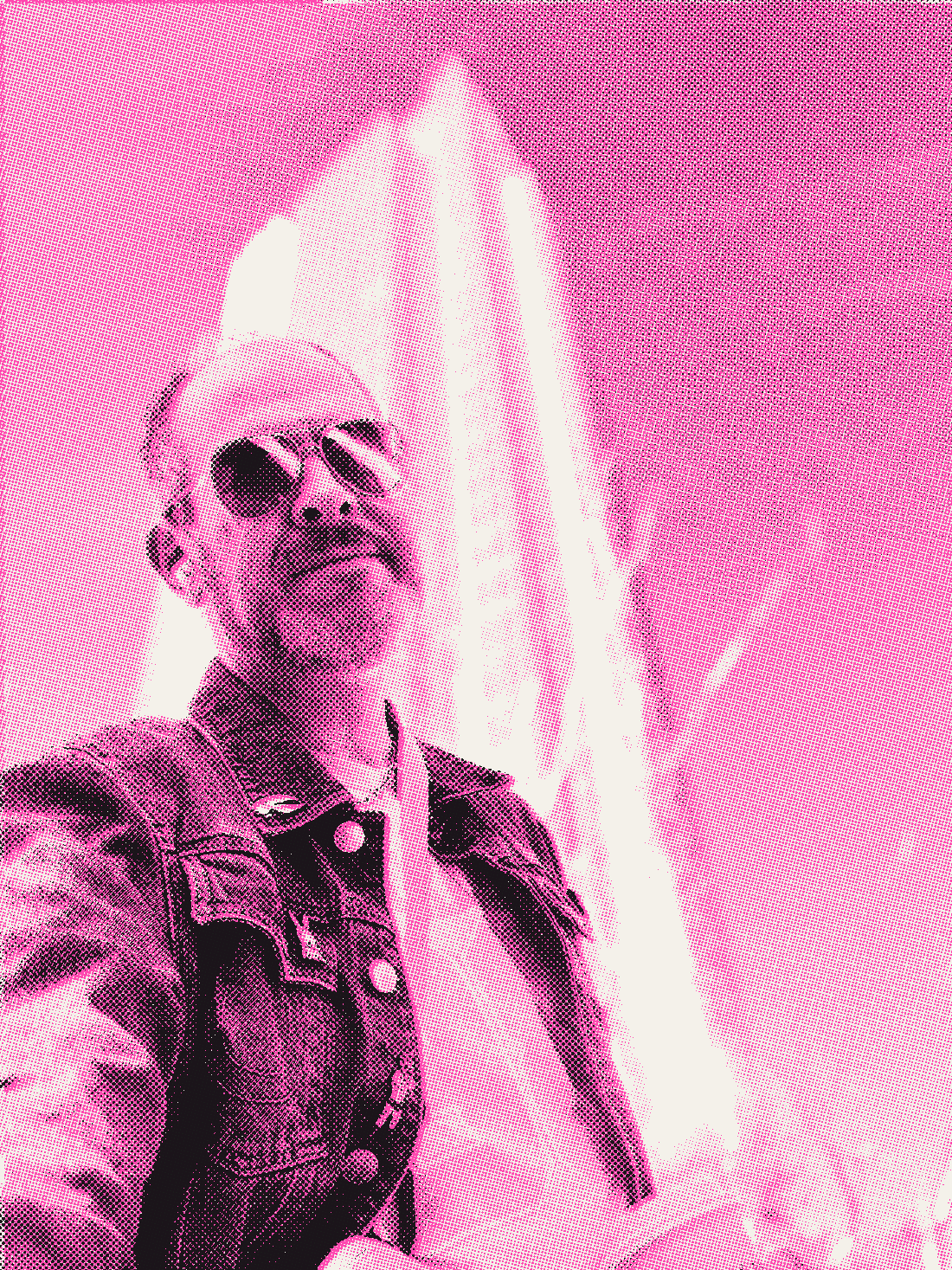
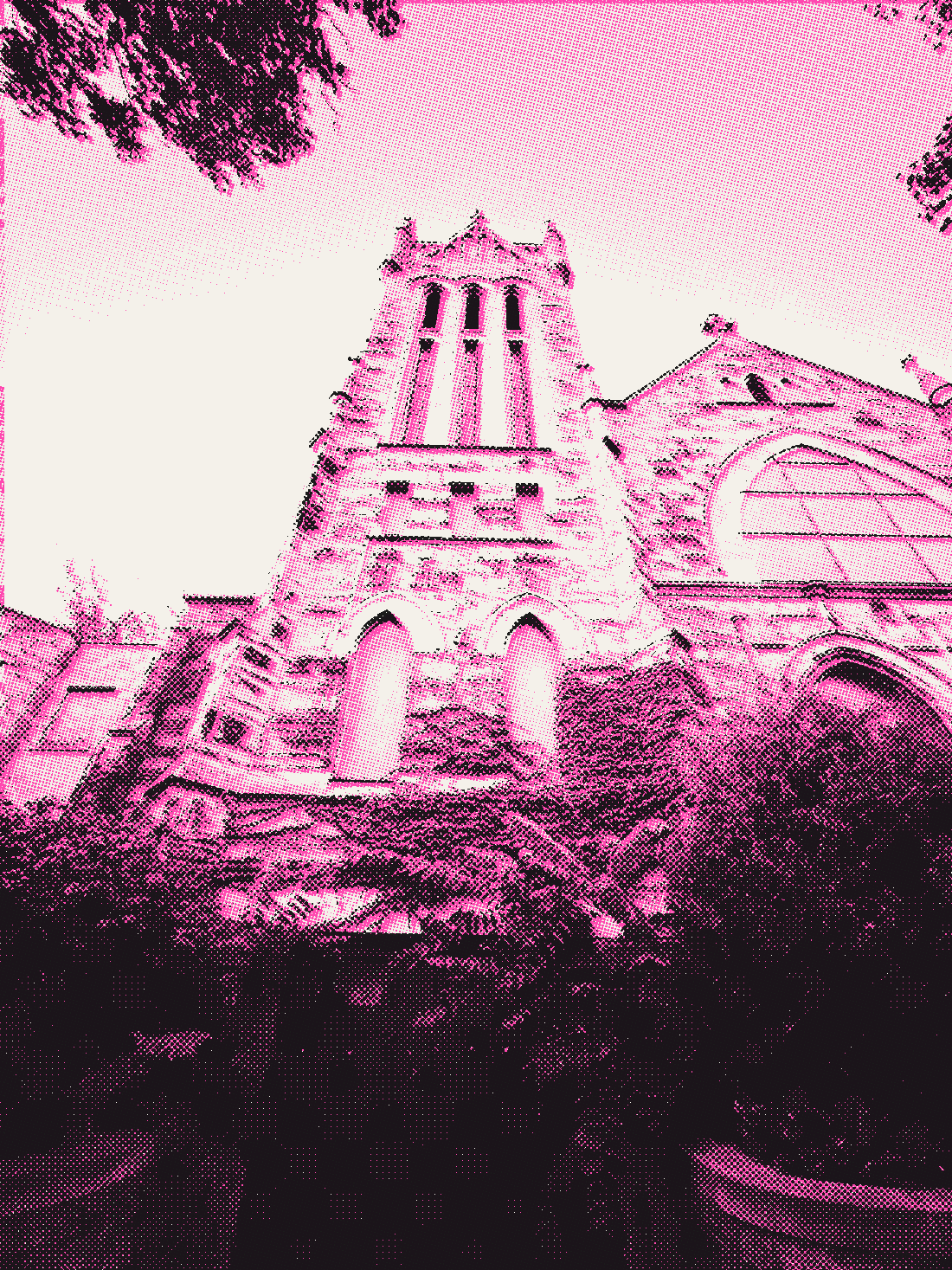
"I didn’t become someone else. I changed the size of the room."
I went for a walk because I was bored.
Well, sort of.
I’d gotten cut from work that evening, had a lot of shit on my mind, and didn’t particularly feel like sitting around my apartment thinking about any of it.
It was one of those beautiful early fall evenings in Milwaukee, and I figured I’d wander around the neighborhood for a while.
I’ve lived in this city for more than twenty-five years. I’ve always been fascinated by the architecture, the old apartment buildings, the weird street grids, and the neighborhoods that somehow survived Milwaukee’s enthusiasm for demolishing things.
I live in Yankee Hill now, near where the Park East Freeway was supposed to continue east toward Lake Michigan.
I knew a little about that history. I was living here when Milwaukee started tearing down the elevated freeway farther west in 2002, and I remember all the excitement about new urbanism and reconnecting neighborhoods.
But I didn’t really know what had happened to the eastern end.
So I went looking.
The freeway that never happened
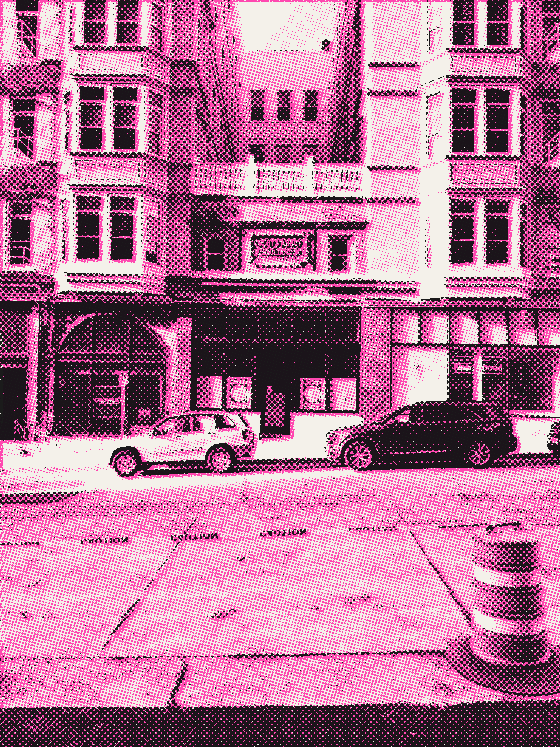
I started around Convent Hill, near Ogden and Jefferson.
And then I started noticing things.
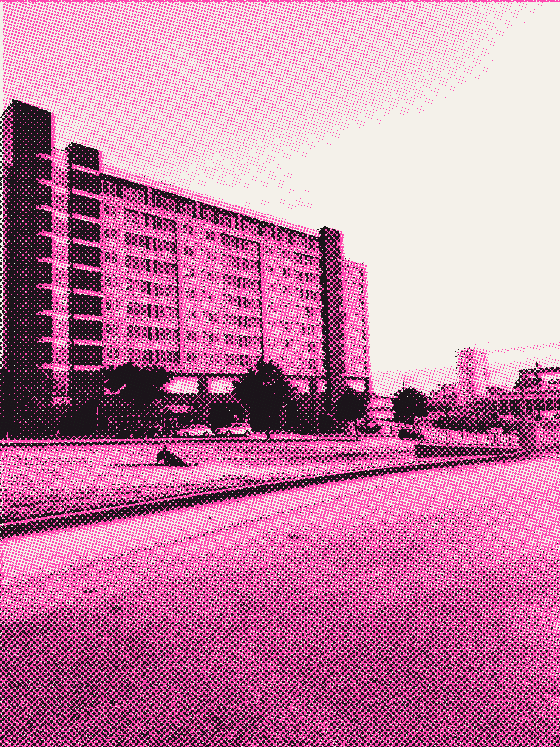
The newer apartments. East Pointe Commons. The shopping center. The way the streets and buildings don’t quite match the older neighborhood around them.
Holy shit.
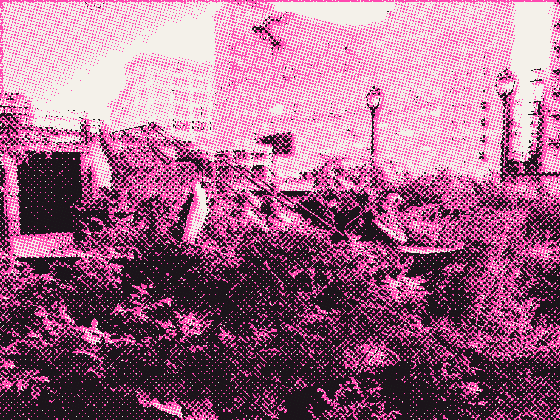
Milwaukee had cleared a substantial part of this neighborhood for a freeway that never got built.
Buildings demolished. Streets interrupted. People displaced.
And then nothing.
The freeway project was abandoned, and eventually the city started rebuilding the neighborhood around the land that had been cleared.
East Pointe redevelopment began in 1990, long before Milwaukee removed the elevated western section of the Park East Freeway in 2002 and 2003.
I’d walked through here hundreds of times without understanding any of this.
And now I couldn’t stop seeing it.
I started looking at the older buildings that survived, including the former John Ernst Café on Ogden, and wondering what everything around them had looked like before the clearance.
I love this shit.
I really do.
Give me an old building with a weird floor plan and a history nobody bothered to write on a plaque, and I’ll happily lose an entire afternoon.
Which is how I ended up thinking about an apartment I lived in twenty years ago.
The butler’s pantry
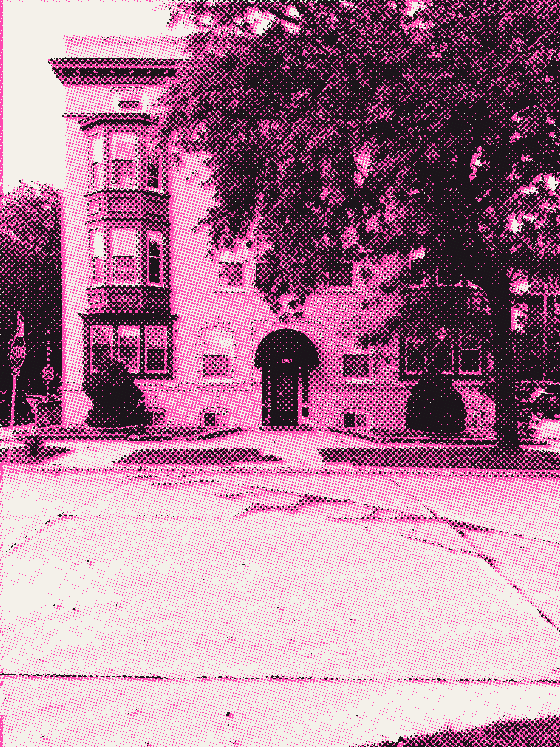
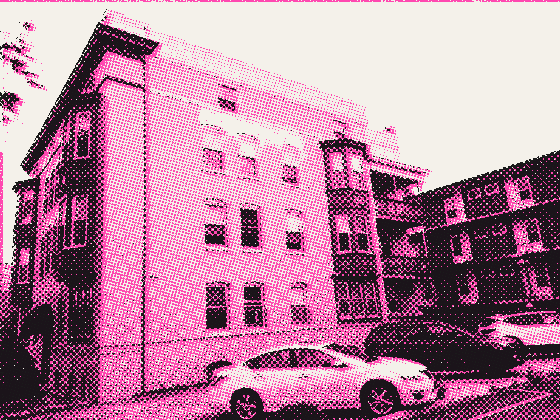
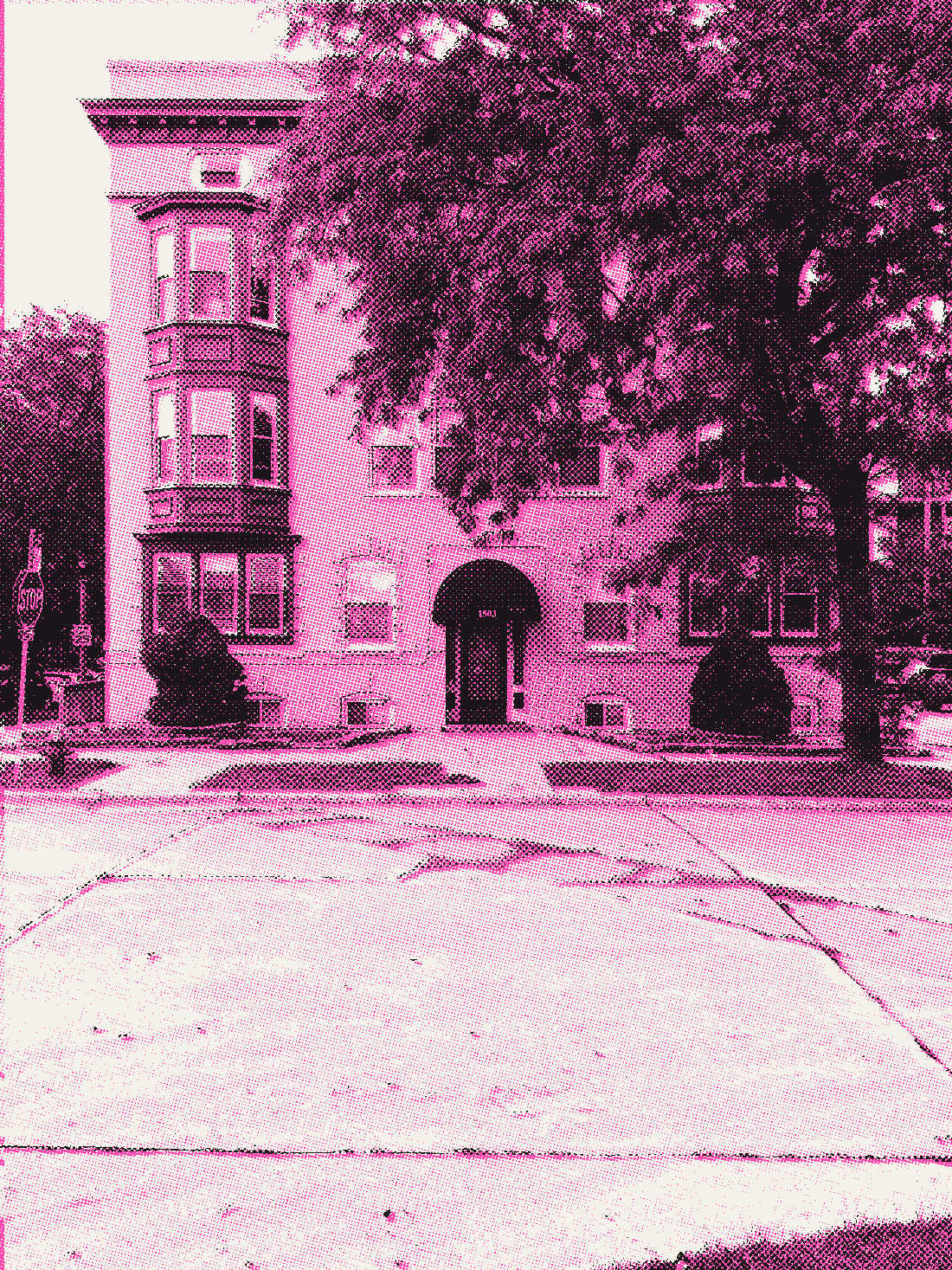
From 2005 to 2007, I lived at 1503 North Humboldt, apartment six, on the third floor.
God, I loved that place.
Three bedrooms, a parlor, a dining room, a big bay window, a balcony, and a butler’s pantry.
I lived in the butler’s pantry.
Because of course I did.
There was a little interior bedroom with a light shaft that barely provided any light. The kitchen connected to the dining room through my bedroom, which also connected to the balcony, meaning everybody had to walk through my room to get outside.
A completely ridiculous arrangement.
I loved it.
I found out afterward that the building was constructed in 1907, historically known as the John Frank, and designed by Fernekes & Cramer.
It’s in the Wisconsin Architecture and History Inventory.
My old apartment.
How fucking cool is that?
I lived there without knowing any of it.
And that’s what I kept thinking about as I walked.
How much of my own history is sitting inside buildings I’ve stopped noticing?
How many apartments have I lived in, streets have I walked down, bars have I stumbled out of, men have I met, fucked, loved, forgotten, or spent entirely too much time thinking about?
And how many of those places are still here?
Milwaukee, you beautiful weirdo
I kept wandering east, through Burns Commons and toward Prospect Avenue.
The Hop was sitting at its station, which annoyed me because I’m still disappointed that Milwaukee hasn’t turned it into the streetcar system I wish we’d built.
I can usually get where I’m going faster on foot.
But anyway.
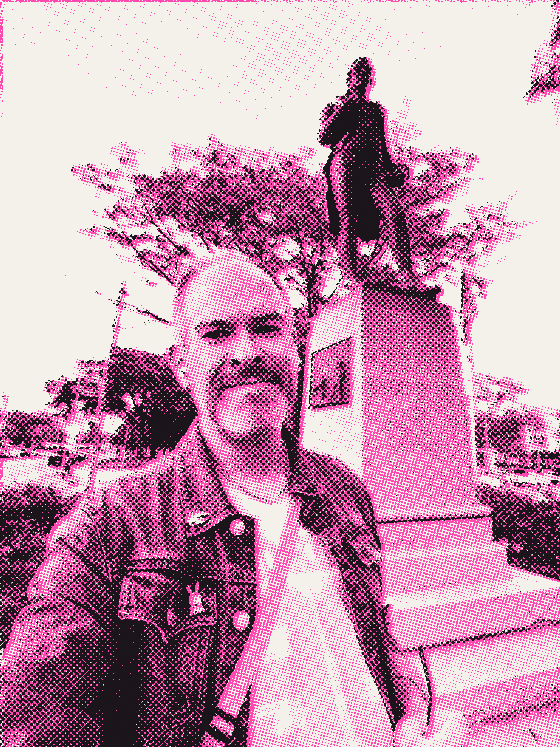
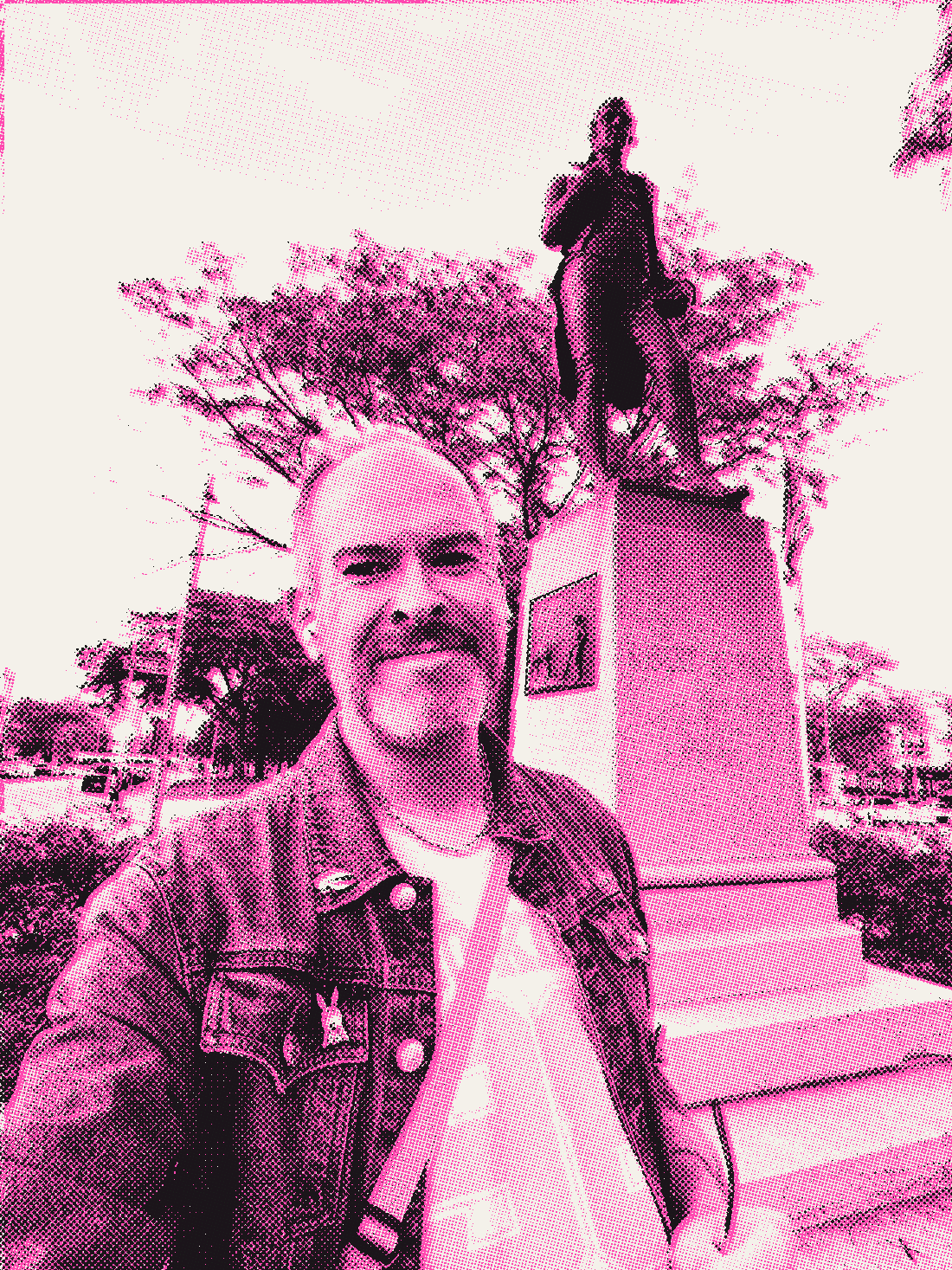
I stopped near the Robert Burns statue and took a picture for a friend from Scotland.
Then I wandered toward the little triangle around Prospect, Franklin, and Knapp, where some of my favorite buildings in Milwaukee are sitting around looking absolutely magnificent.
The Lion House. The Exton. The Breakwater. Those beautiful old houses and apartments.
And Lake Michigan right there.
It’s one of the coolest little views in the city.
Prospect Avenue used to be lined with grand residences built for Milwaukee’s wealthy families. Over time, the neighborhood filled with apartment hotels, residential towers, condominiums, and all sorts of other buildings.
And somehow enough of the old stuff survived that you can still see the layers.
I was having a fantastic time.
Which, considering I’d left my apartment because I didn’t feel like thinking about my life, was a pretty successful evening.
The history they don’t put on plaques
Frank about sex · Tap to read
Here’s the thing about walking around a city you’ve lived in for twenty-five years.
The buildings aren’t the only things with histories.
There’s also everything you’ve done inside them, outside them, behind them, and occasionally in places where you probably shouldn’t have been doing anything at all.
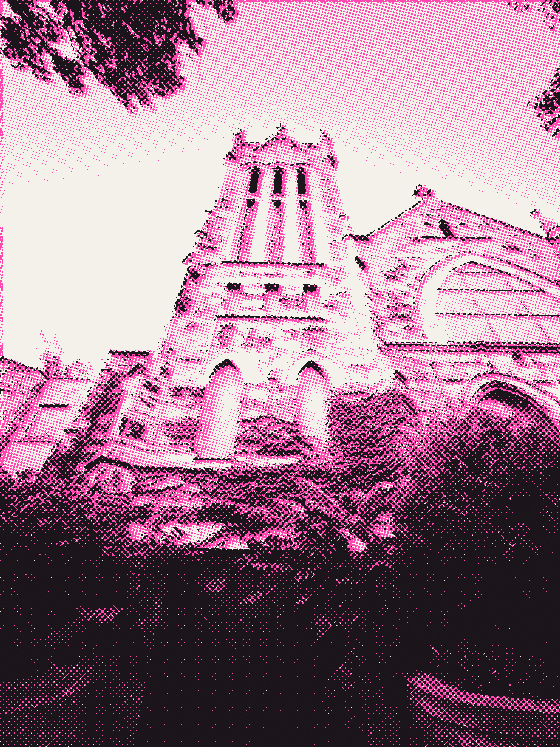
I’ve gotten a blowjob in the shadow of a church.
I’ve gotten a handjob in Juneau Park.
And now here I am, years later, wandering around these same neighborhoods trying to figure out the architectural significance of the buildings.
Which is pretty fucking funny when you think about it.
Somebody can tell me when a church was built, who designed it, what architectural style it represents, and whether the stained glass came from Tiffany.
And I’m interested. I genuinely am.
But I also have my own history attached to these places.
A very different one.
One that isn’t particularly respectable or suitable for a historical marker.
And I don’t think that makes it any less part of Milwaukee.
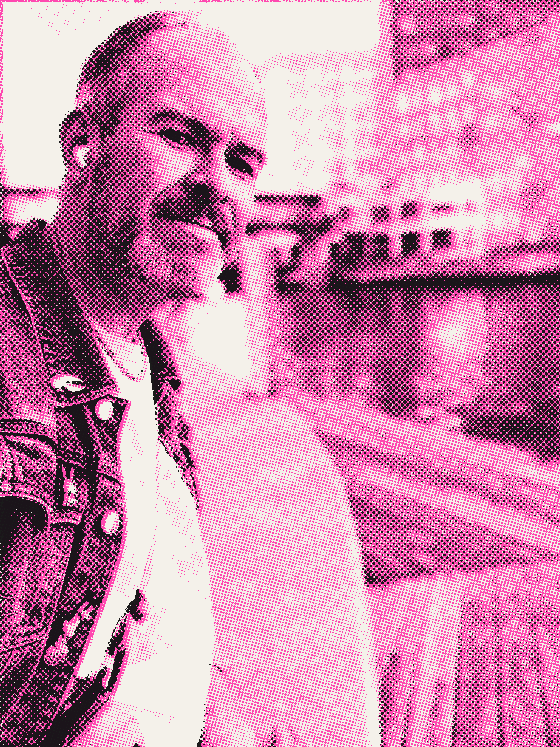
I’ve spent most of my adult life here as a gay man. The bars, the apartments, the hookups, the friendships, the relationships, the places where I could be myself and the places where I had to decide how much of myself was safe to show.
That’s a whole other map of this city.
One I’ve been carrying around in my head for years without really thinking about it.
And the funny thing is that the city keeps changing while those memories stay attached to the same streets.
A building becomes condos.
A bar closes.
A restaurant opens where something else used to be.
A church becomes apartments.
And I can still remember what happened there twenty years ago.
Sometimes I remember the architecture.
Sometimes I remember the dick.
Both are history.
Juneau Park
I wandered down toward Juneau Park, still thinking about the freeway.
I started looking into the Layton School of Art, which had occupied a campus on Prospect Avenue.
It opened in 1951.
Milwaukee demolished it in 1970 for the proposed freeway extension.
An art school.
For a freeway that never happened.
Fuck.
The school eventually closed in 1974, although its legacy continued through what became the Milwaukee Institute of Art & Design.
And I couldn’t help thinking about all the things this city lost to somebody else’s idea of progress.
Standing near the lakefront, I started thinking about my own history here too.
Frank about sex · Tap to read
Because Juneau Park isn’t just a beautiful public space with a great view of Lake Michigan.
It’s also somewhere I’ve had sex.
Not exactly the sort of thing you’d find in the official Milwaukee walking-tour brochure.
Although maybe somebody should make that brochure.
I would absolutely read it.
There’s a whole queer geography to cities that exists alongside the official one. Places where people met, cruised, hooked up, found community, and occasionally found trouble.
Some of those places became landmarks.
Most didn’t.
And a lot of that history disappears because nobody thinks to record it, or because the people who lived it were taught that it wasn’t something worth talking about.
I’m increasingly interested in talking about it.
Not because every sexual encounter needs to become a profound statement about queer liberation.
Sometimes a handjob is just a handjob.
But it happened.
It was part of my life.
And my life happened here.
The long way home
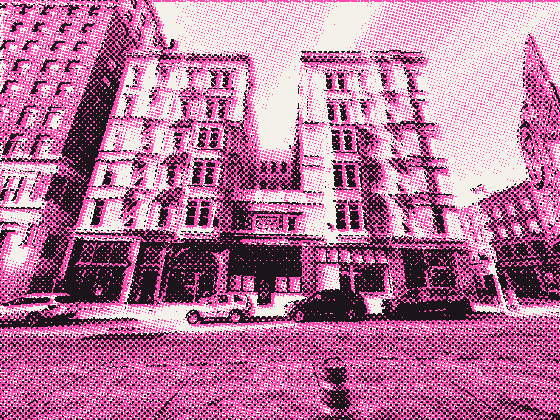
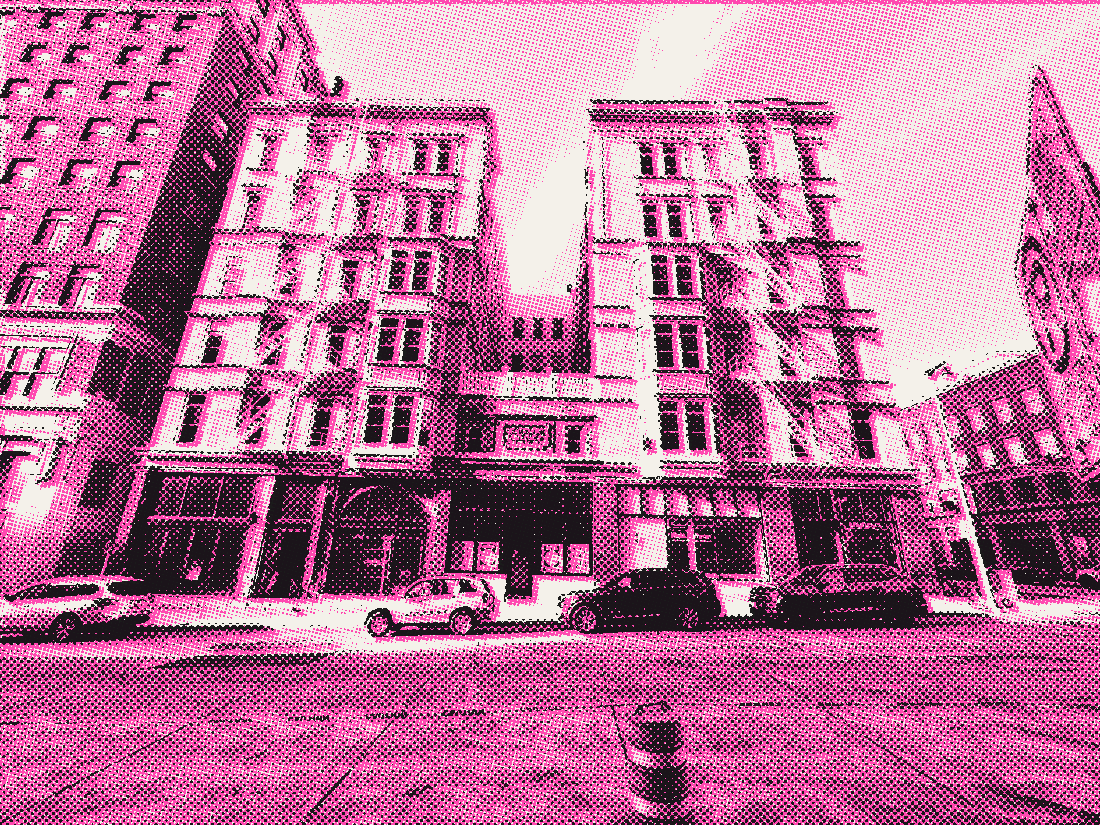
I headed back along Juneau Avenue, past the Knickerbocker and Astor hotels.
I love those buildings.
I’ve always been fascinated by residential hotels and the idea of living in a building with apartments, restaurants, services, and everything you needed nearby.
The Plaza is another favorite.
I’ve spent years imagining what it would be like to live in places like that.
Which is interesting, considering how much time I’ve also spent imagining living somewhere completely different.
My lease is up in April.
And lately I’ve been thinking about leaving Milwaukee.
Maybe moving somewhere smaller.
I don’t know whether Milwaukee has gotten too big for me or I’ve gotten too big for Milwaukee.
One of those two.
I’ve spent most of my adult life here.
I’ve lived in wonderful old apartments. I’ve worked, volunteered, performed, made friends, fallen in love, gotten married, gotten divorced, and started a business.
I’ve had some really good sex here.
Some terrible relationships too.
I’ve built entire versions of my life around people and expectations that eventually stopped fitting.
And now I’m trying to figure out what I actually want.
Not what somebody else wants from me.
Not what a relationship is supposed to look like.
Not what my family expects.
Not what a corporate employer needs.
What I want.
Which is a surprisingly difficult question when you’ve spent much of your life organizing yourself around everyone else’s needs.
The other kind of belonging
I’ve been thinking a lot lately about the difference between being present somewhere and actually belonging.
I’ve been involved in all sorts of communities over the years.
I’ve known a lot of people.
I’ve done a lot of things.
And I’ve still spent a remarkable amount of my life feeling like I didn’t quite belong anywhere.
I think that’s part of why the idea of moving somewhere smaller appeals to me.
I’d like to become part of the fabric of a neighborhood.
Not just occupy an apartment in it.
But then again, maybe I’m just restless.
Maybe Milwaukee isn’t the problem.
Maybe I’ve spent so much time trying to make myself fit into other people’s lives that I haven’t really figured out what my own is supposed to look like.
I don’t know.
And I’m not particularly interested in forcing an answer right now.
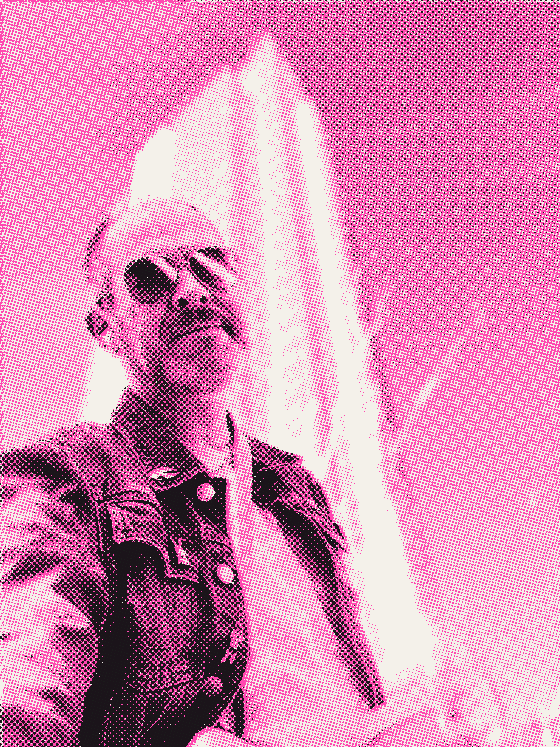
Forced perspective
By the time I got home, I’d learned a ridiculous amount about Milwaukee’s old freeway plans, remembered an apartment I lived in twenty years ago, admired some beautiful buildings, and thought about whether I even wanted to stay in the city.
I’d also remembered a few things that definitely aren’t in the Wisconsin Architecture and History Inventory.
Not bad for an evening walk.
The funny thing is that none of those buildings changed while I was out there.
The freeway was already gone.
The neighborhoods had been rebuilt decades ago.
The old apartments were still standing.
The churches were still churches, or becoming something else.
And all those memories had been sitting there the whole time.
I just hadn’t been looking at them together.
I’ve spent the last year rebuilding my life after a divorce, leaving a corporate career, and questioning a lot of the things I used to believe about relationships, belonging, and what I was supposed to do with the rest of my life.
And I’m realizing that I don’t actually feel like I’ve become a different person.
I’m still the same curious, occasionally ridiculous gay man who gets excited about old apartment buildings, can turn a walk around the block into a two-hour conversation about urban planning, and has a few stories that probably shouldn’t be told at a family dinner.
I’m just less interested in editing myself into somebody else’s version of respectable.
I don’t know where I’ll be living next April.
I don’t know exactly where the business is going.
I don’t know what all this writing is going to become.
But I do know that I want to start putting more of it out into the world.
The architecture. The relationships. The sex. The mistakes. The memories.
All of it.
Because the story of a place isn’t just what the city decided was worth preserving.
It’s what happened there.
And I was there.
I didn’t become someone else.
I changed the size of the room.
- Carl Baehr, Ogden and Lyon Almost Obliterated, Urban Milwaukee.
- Urban Land Institute, East Pointe Commons, development case study.
- Wisconsin Historical Society, Architecture and History Inventory: 1503 N. Humboldt Boulevard (John Frank).
- Wisconsin Historical Society, historical records for the John Ernst Café, the Exton, the Knickerbocker and the Astor.
- Historical accounts of the Layton School of Art and its successor, the Milwaukee Institute of Art & Design.
- City of Milwaukee, Park East Freeway removal and redevelopment history.
Facts about the city are open to correction. What the walk meant is mine. Spot something? aaron@dopaminefurnace.org